The Stability of Gold Valuations In the Midst of Economic Recession Instability
Wiki Article
Gold valuations have long been observed to remain comparatively steady during periods of significant financial recession and heightened market uncertainty. When economies face slowing economic growth, increasing unemployment, or uncertainty in global markets, market participants often seek assets that may protect capital. This asset is viewed as safe-haven investment since the metal is not directly directly linked to the performance of single economy or its currency system. Compared to equities and corporate bonds, the metal does not depend on corporate profits or loan repayment, which makes appealing in periods of recession-driven uncertainty. Such longstanding function helps explain why gold often tend to demonstrate stability while other asset classes experience sharp declines.
One primary factor behind this durability of gold prices during economic downturns is relates to its relationship with inflation and currency risk. During recessions, central banks may lower interest rates or increase the money supply to support economic activity. These actions can weaken currency values and raise concern regarding longer-term price inflation. The metal is frequently viewed as an inflation hedge since its supply of gold remains limited and it tends hold purchasing power over time. When trust in paper currencies falls, investor demand for gold assets often rises, supporting higher valuations even when broader financial markets are unstable.
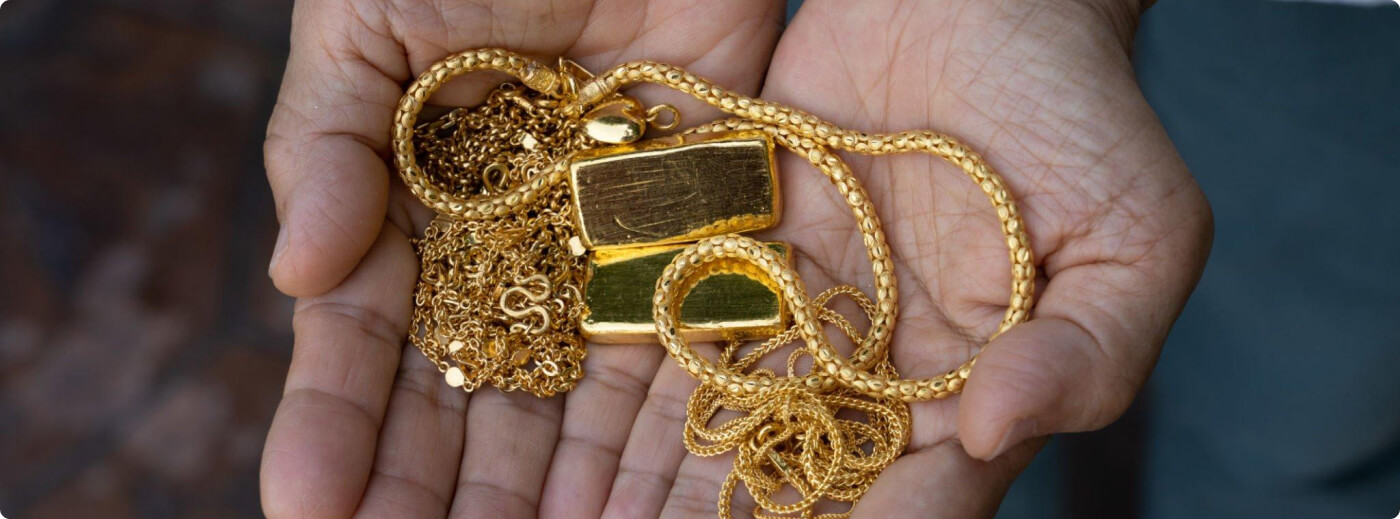
Market volatility also plays important role in shaping gold behavior. During periods of of financial instability, investors frequently reduce exposure to higher-risk assets such as as equities and shift toward more defensive investments. Gold benefits from this shift because it has a low correlation with stock markets and can help diversify investment portfolios. Portfolio diversification strategies commonly include precious metals to reduce overall risk. As market uncertainty rises, increased demand for gold holdings can help stabilize or raise its market price, reinforcing its reputation as reliable store of value.
Look At This Worldwide supply and demand factors further contribute to the durability of gold prices during economic recessions. Gold production is capital-intensive and cannot be quickly expanded in response to short-term demand changes. At the same time, demand comes from multiple sources, including investment demand, central bank reserves, and jewelry markets. Central banks, in particular, may increase gold holdings to strengthen financial stability during uncertain periods. This balanced and diversified demand structure helps support gold valuations even when economic conditions are weak.
Overall, the resilience of gold prices amid economic recession turbulence is driven by a combination of investor behavior, monetary policy responses, and structural market factors. Gold’s role as safe-haven asset, inflation hedge, and portfolio diversifier allows it to perform differently from many traditional financial assets during downturns. While gold prices can still experience short-term fluctuations, their ability to retain value during periods of financial stress makes gold a significant component of many long term investment strategies. This enduring appeal highlights why gold continues to be closely watched during times of economic instability.